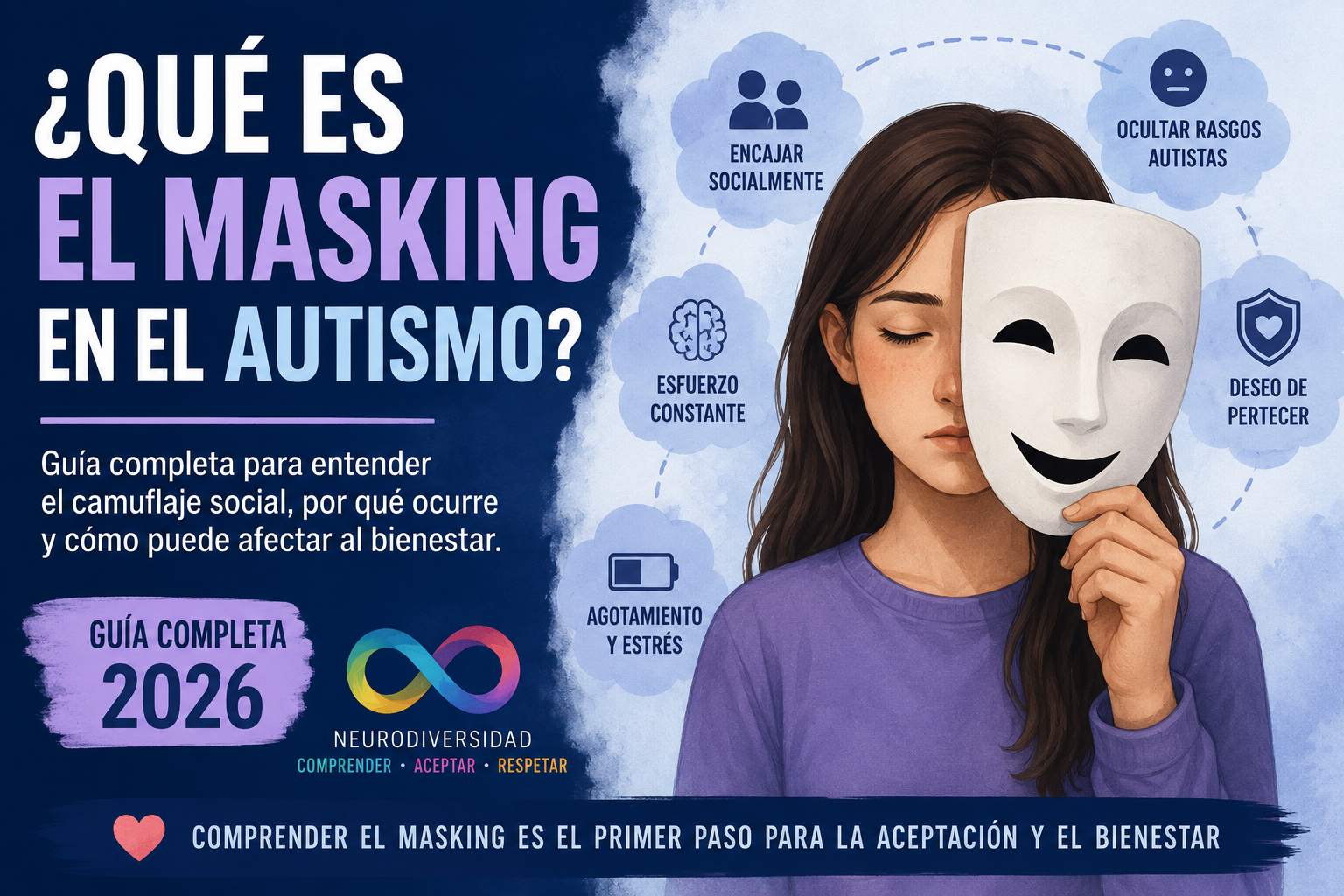
What is masking in autism?
The term masking is increasingly used when talking about autism, especially in adolescents and adults. However, there is still considerable confusion about what it really means.
Read article ↗
SENSEREDUCCIÓ · LIBRARY
Reflections, experiences and content about autism, disability, accessibility, inclusion and sensory wellbeing.
22 readings to understand, name experiences and find possible support.
The term masking is increasingly used when talking about autism, especially in adolescents and adults. However, there is still considerable confusion about what it really means.
Read article ↗
Routines are a very important part of life for many autistic people. Although from the outside they may seem like simple habits, they can help reduce anxiety, improve organisation and make everyday life more predictable.
Read article ↗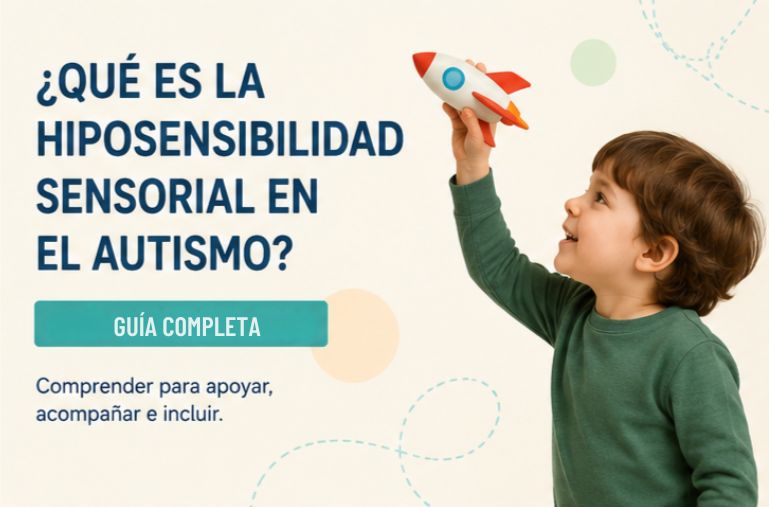
Sensory hyposensitivity in autism is a different way of processing stimuli from the environment. While some autistic people experience sounds, lights or textures very intensely, others may need more stimulation to notice them.
Read article ↗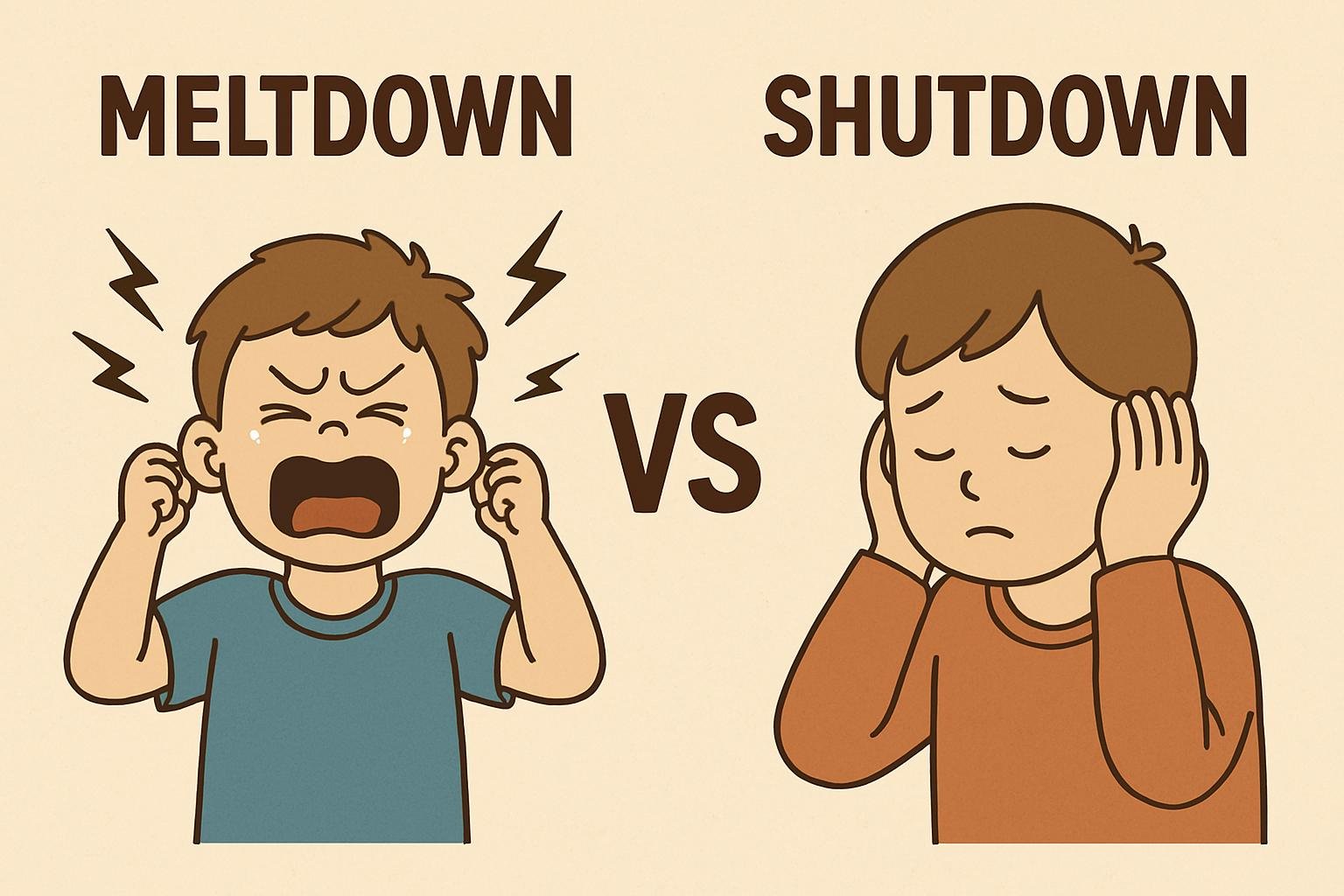
A clear guide to distinguishing sensory overload, meltdown and shutdown, understanding how they may appear and knowing which supports can help in each situation.
Read article ↗
A song and a project that bring neurodiversity closer through inclusion, real experiences and a more human view of autism.
Read article ↗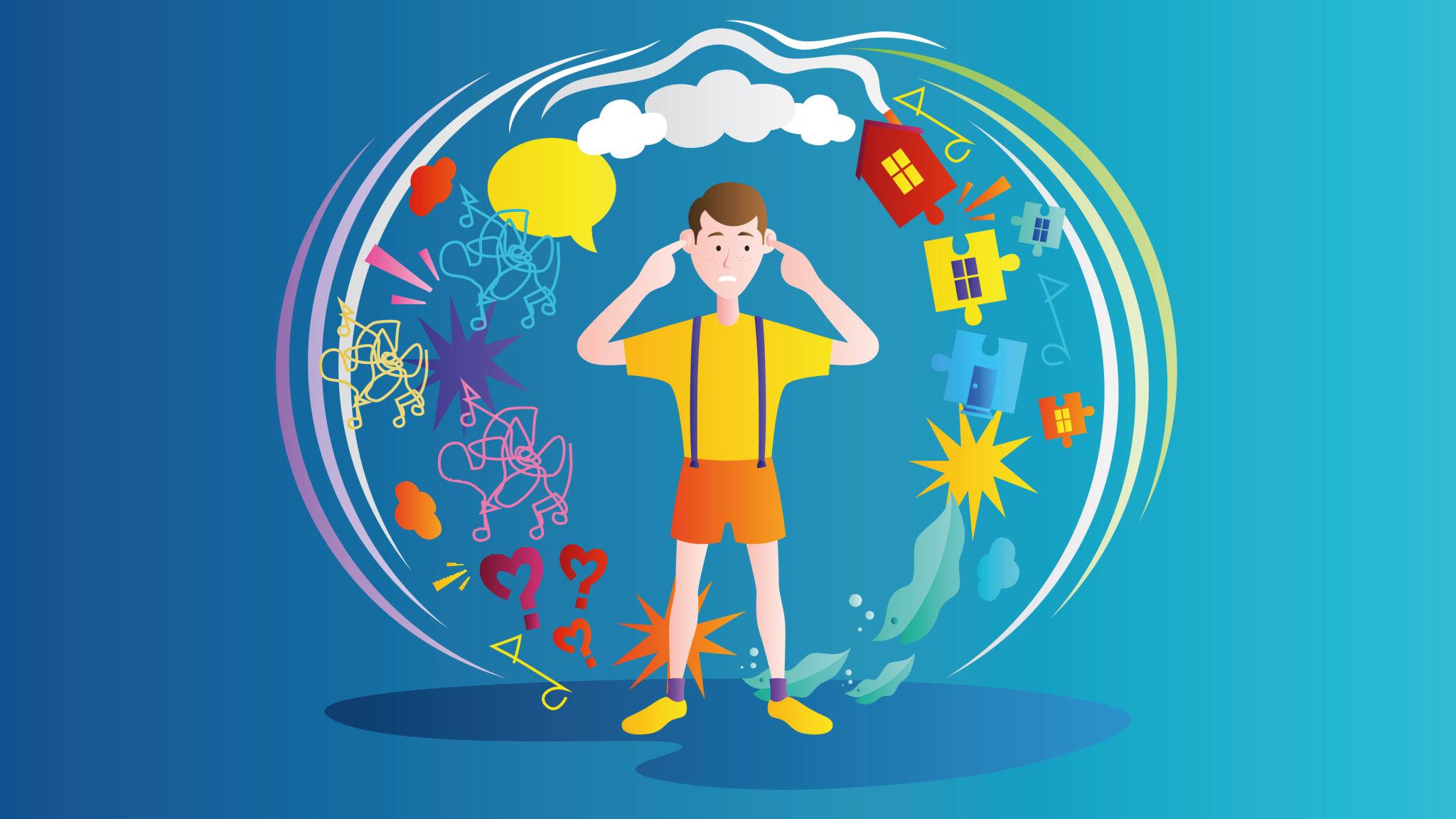
Sensory overload may be part of the experience of some autistic people; its frequency and expression vary.
Read article ↗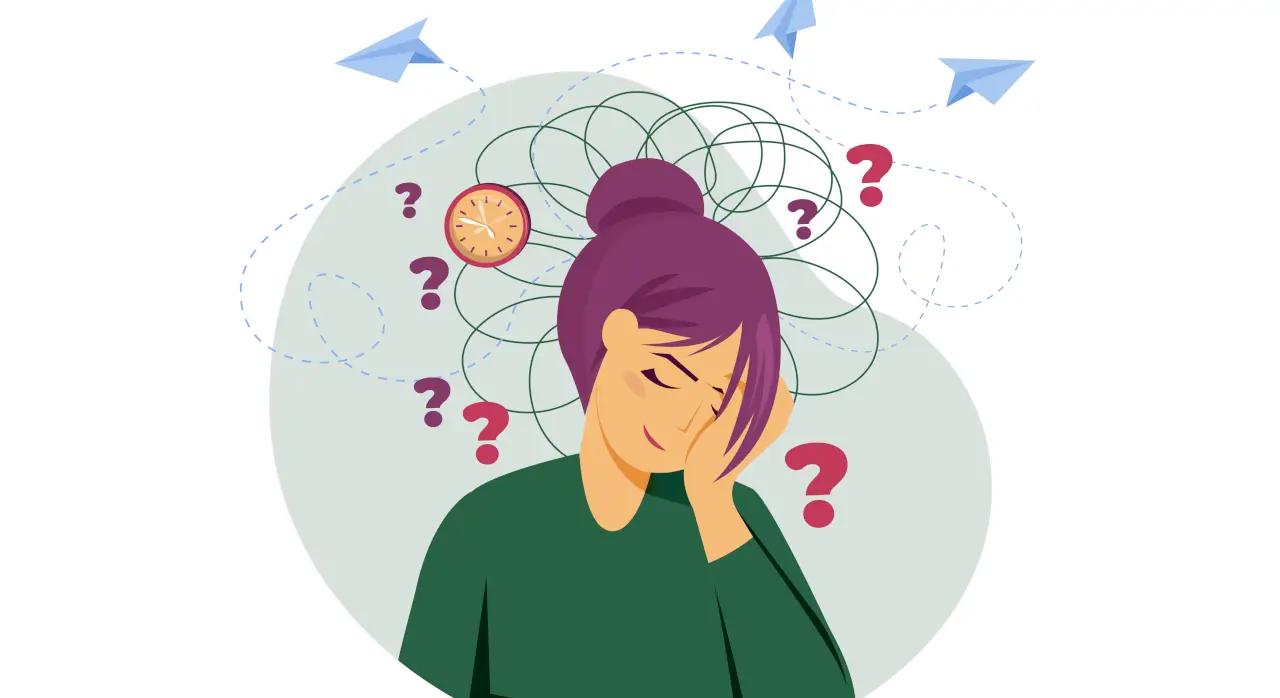
Sensory hypersensitivity in autism: what it is, examples and how to help. Sounds, lights, textures, smells or temperatures may be perceived with particularly high intensity. Understanding these sensory differences helps provide respectful support.
Read article ↗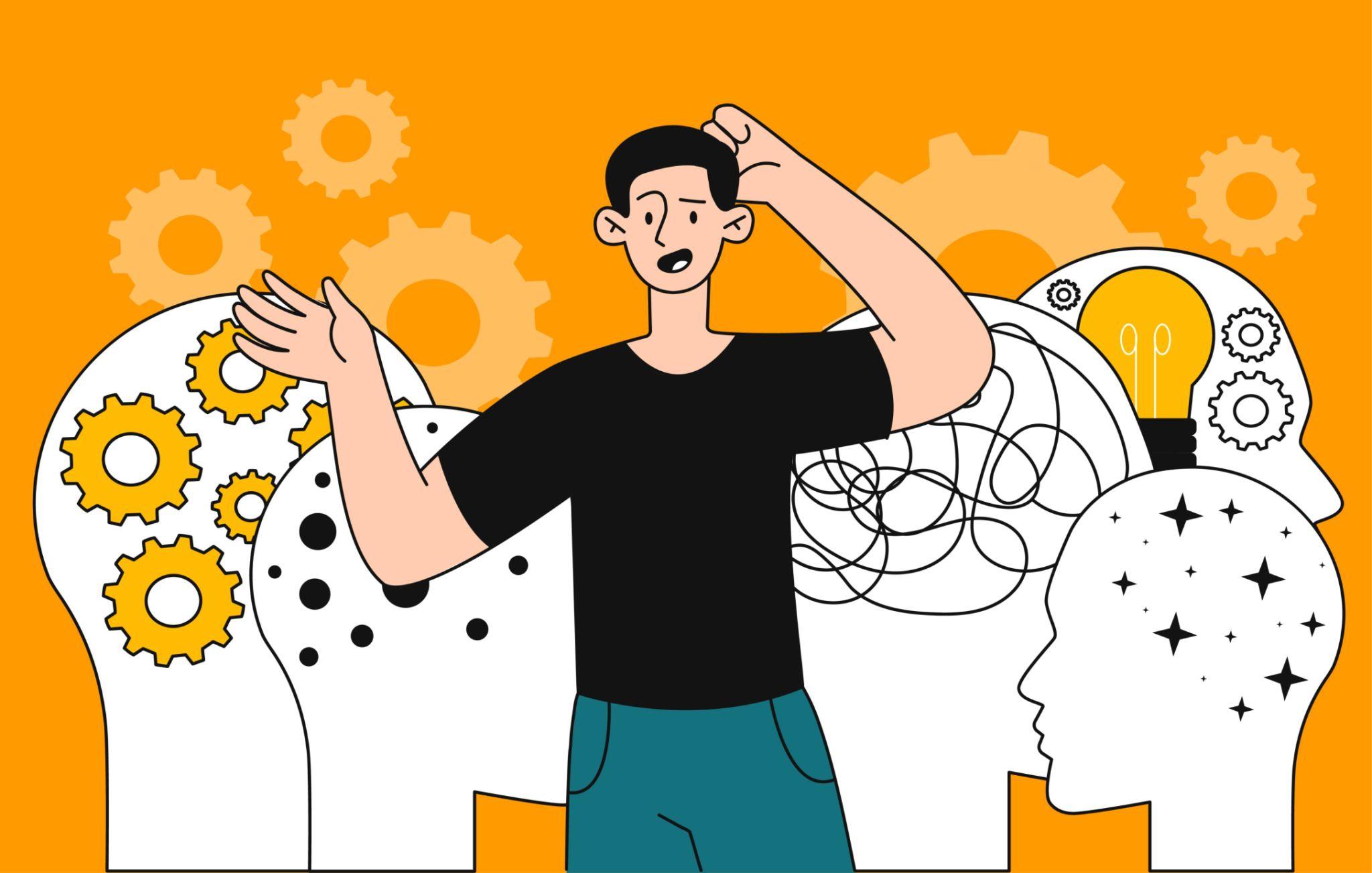
Flapping the hands, rocking, repeating sounds or touching a texture can be forms of stimming and may serve regulatory, expressive or sensory-seeking functions.
Read article ↗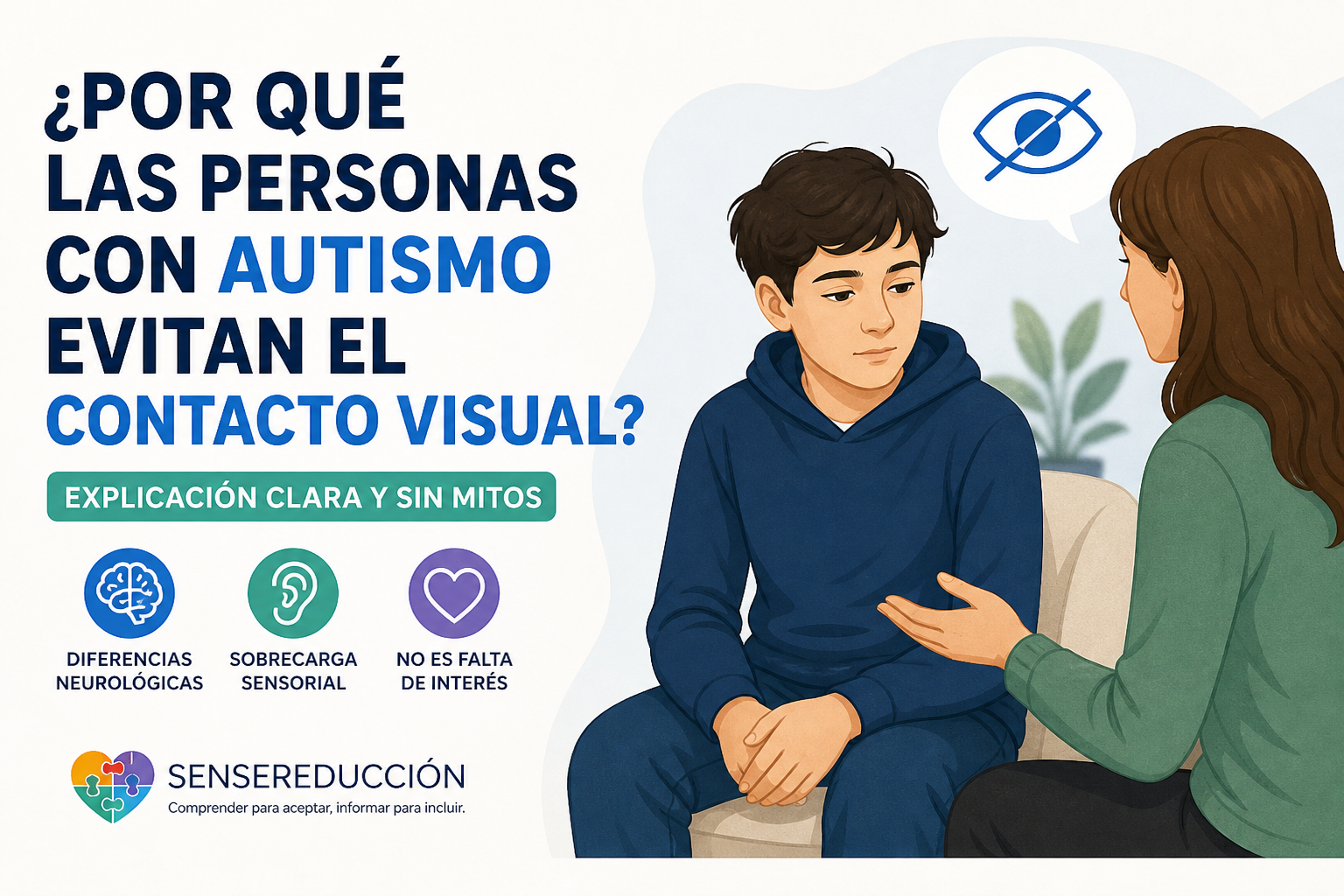
Not looking directly at someone’s eyes does not necessarily mean disinterest or lack of attention. For some autistic people, eye contact can feel uncomfortable, intense or make processing more difficult.
Read article ↗
A shutdown can appear when an autistic person is overwhelmed and their ability to process information, communicate or respond is temporarily reduced.
Read article ↗